What a Chimney Liner Actually Does, and Why Skipping One Is Not an Option
A chimney liner is the part most homeowners never think about, right up until it fails. It is the layer between the fire and the brick, and without one, or with a damaged one, a working fireplace can quietly become a fire and carbon monoxide risk. Here is what a liner actually does, the three types in use today, and how to tell if yours needs attention.
What a Chimney Liner Is
A chimney liner is the passage that runs inside the masonry chimney, carrying smoke, gases and sparks from the firebox up and out of the house. It is not the same thing as the chimney itself. The brick and mortar you see from outside is the structure, the liner is the actual conduit doing the work inside it.
Without a liner, or with a badly damaged one, the fire’s byproducts are in direct contact with the brick and mortar, and in some older homes, with the wood framing that sits close to the chimney’s exterior. That is the core problem a liner solves.
Why Every Fireplace Needs One
A liner does three jobs at once, and a fireplace or wood stove is not safe to operate without all three being handled.
- Protects the masonry from heat and corrosion. Flue gases are acidic and, combined with high heat, will break down unprotected brick and mortar over time. A liner is the barrier that takes that damage instead of the chimney structure
- Contains sparks and embers. A properly sized, intact liner keeps hot embers from reaching combustible material, which is a major cause of chimney fires spreading into the attic or walls
- Sizes the flue correctly for the appliance. Modern gas and wood-burning appliances are designed around a specific flue size. An oversized or unlined flue drafts poorly, which can push smoke and carbon monoxide back into the house instead of up and out
This is also why a liner is not optional from a code standpoint. Model fire codes and NFPA 211 both require a liner in a masonry chimney, and most insurance policies expect one to be present and in sound condition.
The Three Liner Types
Not every liner is the same material, and the right one depends on the chimney’s age and what is burning in it.
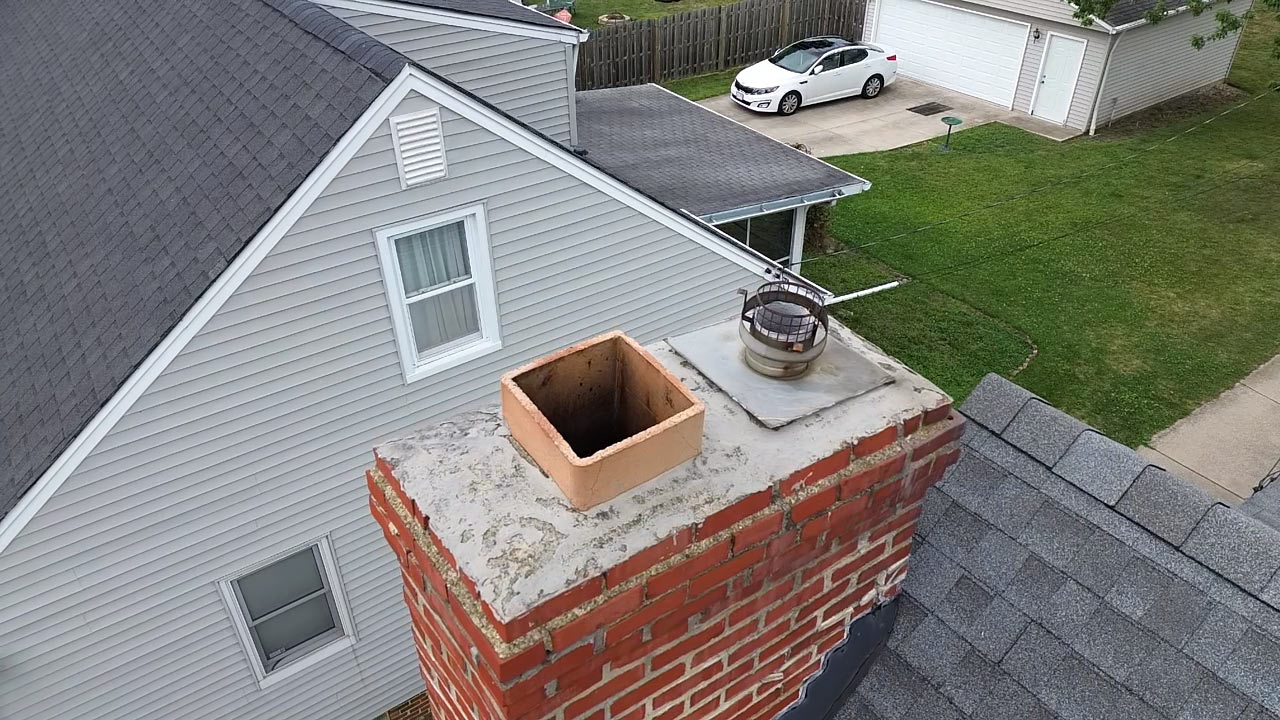
Clay tile. This is the standard liner in most homes built with a traditional masonry chimney, stacked as rectangular or round sections during construction. It handles heat well and lasts decades, but the sections can crack from age, chimney fires, or the freeze-thaw cycles Cleveland winters put a chimney through, and a cracked section is not something that can be patched from inside.
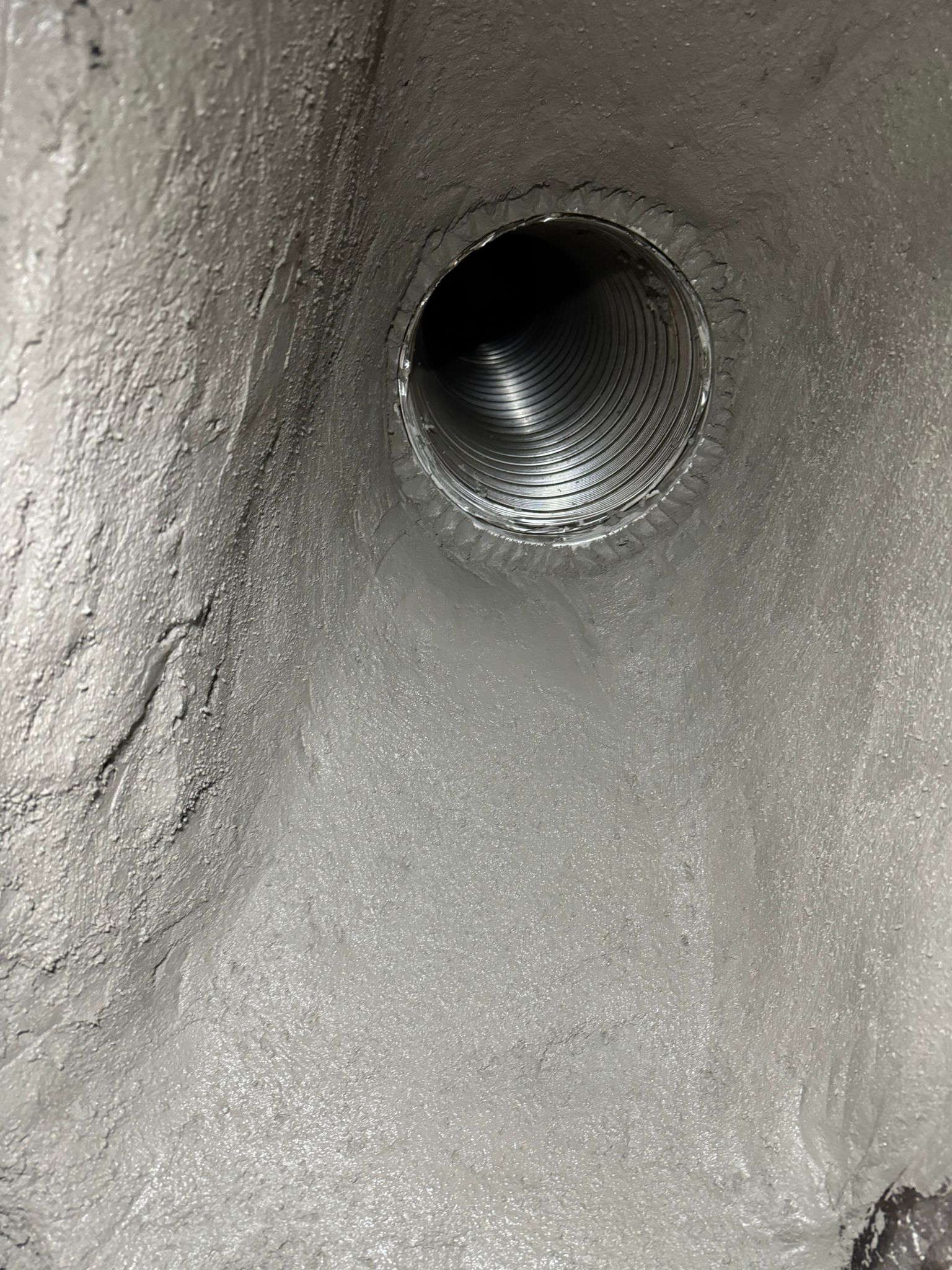
Cast-in-place. A cementitious liner poured or troweled directly into the existing flue, forming a smooth, seamless passage. This is a common way to reline a chimney that has damaged clay tile without demolishing the masonry, and it also improves the flue’s structural integrity.
Stainless steel. A rigid or flexible metal liner, most often used when a wood-burning chimney is being converted to gas, when a furnace or water heater is being vented through an existing masonry flue, or when a damaged clay liner is being replaced without a full rebuild. Stainless is durable, resists the corrosive condensation that gas appliances produce, and is usually the fastest liner replacement to install.
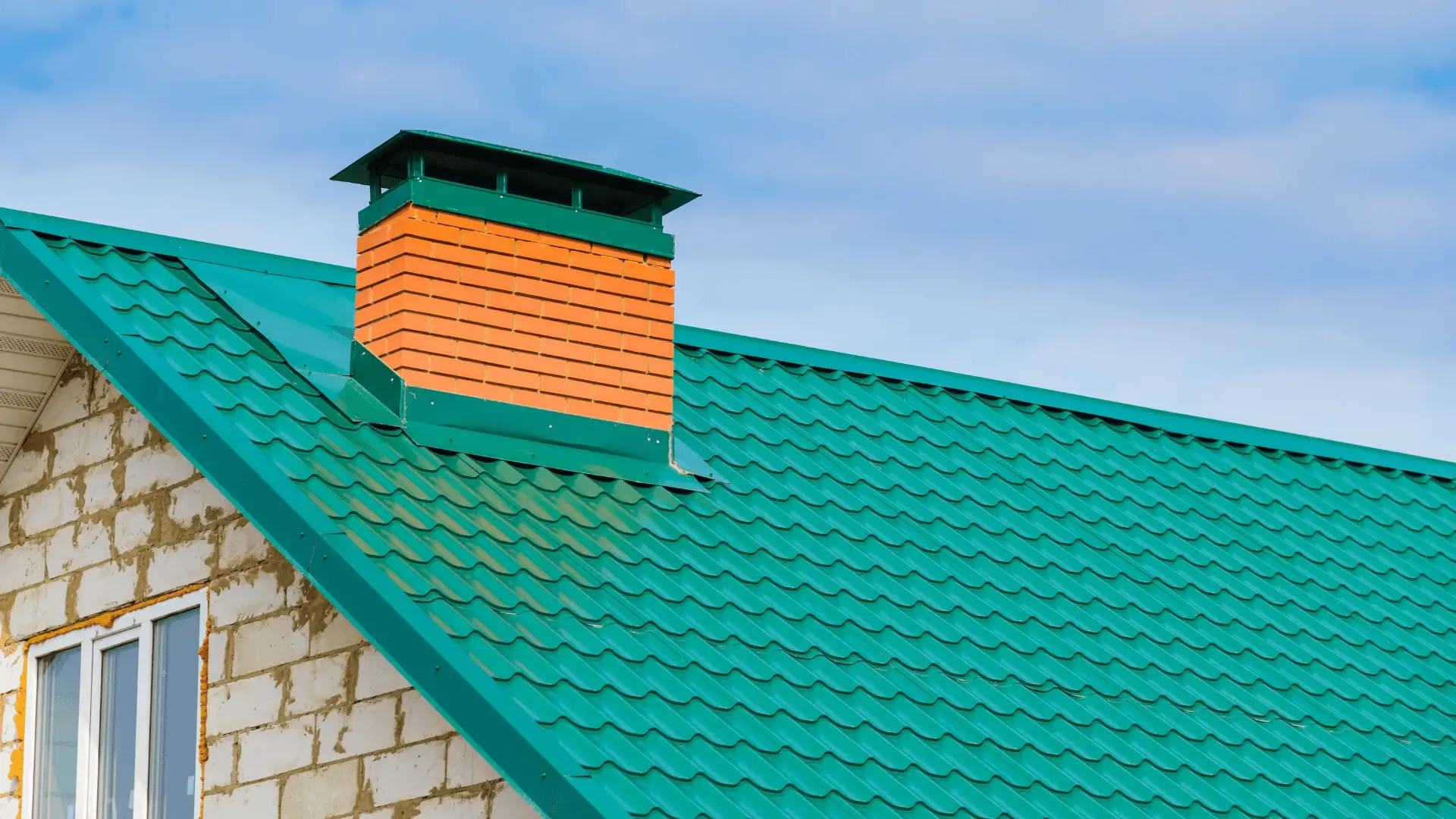
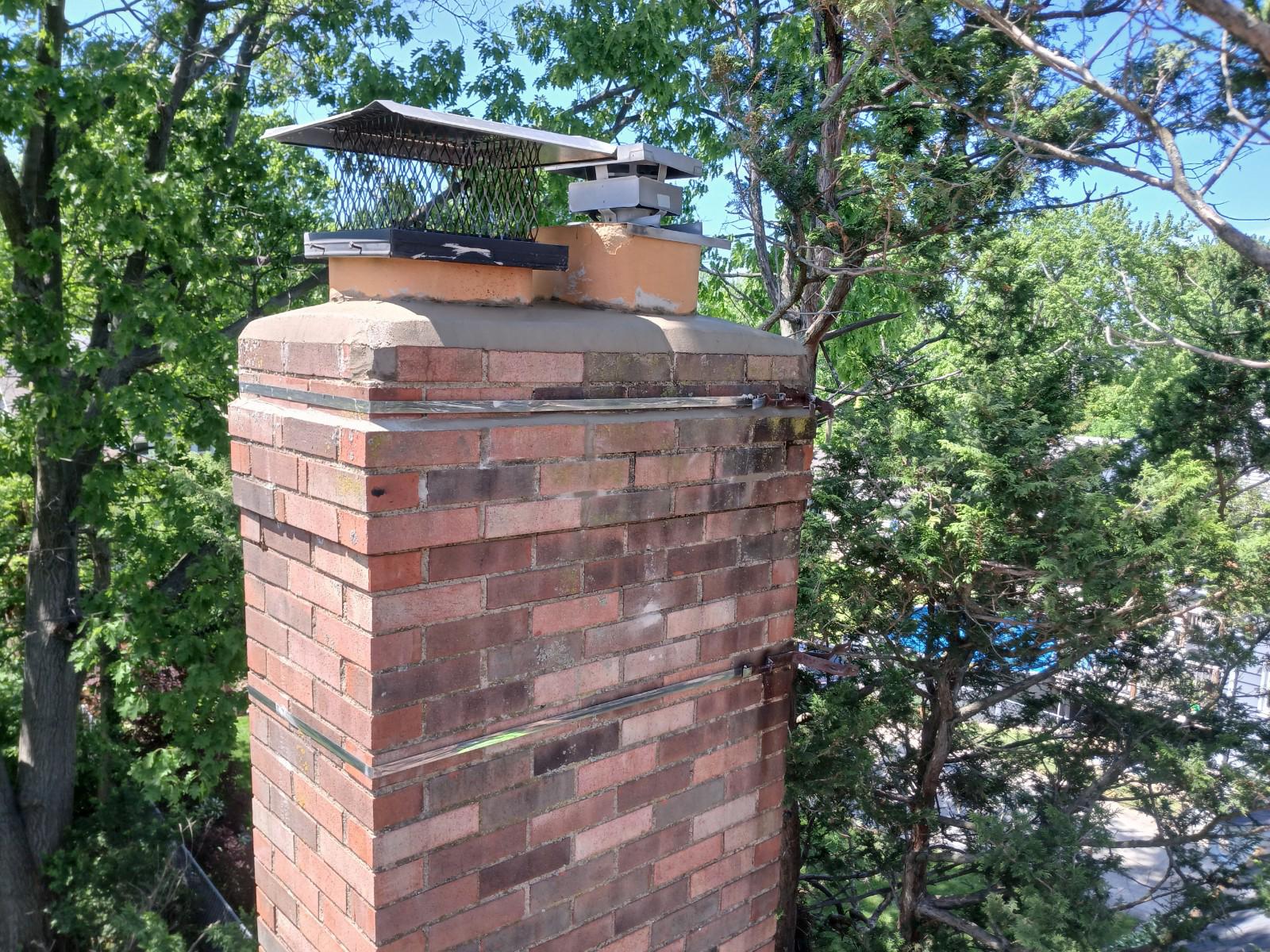
Whichever type is in place, the liner also needs a sound crown and cap above it. The crown sheds water away from the masonry, and the cap keeps rain, snow and animals out of the flue itself. A liner in otherwise good shape can still take on water damage if the crown or cap above it has failed.
Signs Your Liner Is Damaged
A liner problem is not always visible without a proper inspection, but a few signs are worth taking seriously.
- Pieces of broken tile in the firebox or at the base of the chimney, which usually means a clay tile section has cracked and is shedding fragments
- Excessive smoke in the house, or a fire that never seems to draft properly, which can point to a liner that is damaged or was never correctly sized for the appliance
- Visible cracks, gaps, or missing sections when a technician runs a camera scan of the flue during an inspection
- A chimney that has had a fire in it. Even a small chimney fire can crack tile liner sections that will not show damage from the outside
- Water staining or white residue inside the firebox, which can mean moisture is getting past a compromised liner and reaching the surrounding masonry
What Happens If You Skip It
Using a fireplace with a missing, cracked, or otherwise compromised liner is not a small risk. Heat and embers reaching unprotected masonry or nearby framing is one of the more common causes of house fires that start at the chimney. Carbon monoxide is the other half of the danger, since a liner that is the wrong size or has gaps in it can let combustion gases find their way into the living space instead of venting outside.
This is also why a home inspection for a sale or refinance often flags chimney liner condition specifically, rather than just asking whether the chimney was swept. An insurer or inspector who finds a damaged or absent liner will typically treat the fireplace as not safe to use until it is addressed.
How Long a Liner Lasts
A clay tile liner installed correctly and maintained with regular sweeping can last 50 years or more, though individual tile sections can crack sooner from a chimney fire or from water damage that was never addressed. A stainless steel liner typically carries a 15 to 25 year manufacturer warranty depending on the grade of steel and how it is used, with liners venting gas appliances generally outlasting those venting wood-burning appliances, since wood smoke is harder on the metal over time.
Annual inspection is what actually determines a liner’s real lifespan, not the material’s rated maximum. A liner that is never checked can fail years before it should and nobody finds out until there is a problem.
Not Sure If Your Liner Is Sound?
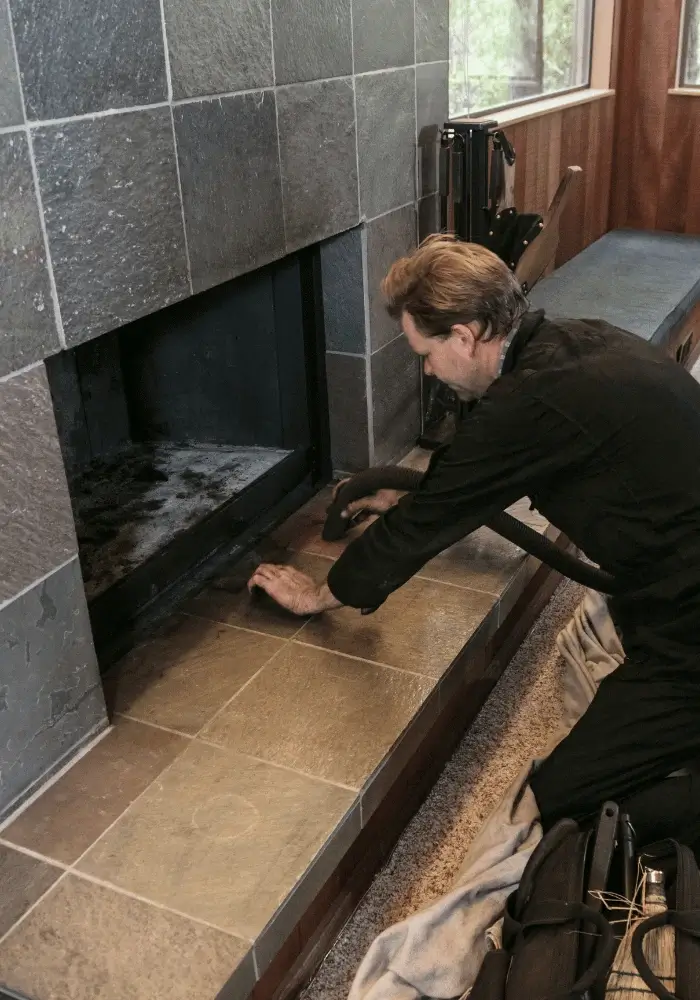
A damaged or missing liner is not always obvious from inside the house. We inspect the full length of the flue, including a free drone look at the exterior, before recommending any repair.