Six Steps to Clear Creosote Before It Becomes a Chimney Fire
Creosote sneaks up on you. You light the fireplace, everything seems fine, and meanwhile the smoke is leaving a sticky, flaky or hard black residue inside the flue. It is not just dirt. It burns, and a chimney fire becomes a house fire quickly. Here is how to deal with it, what you can safely do yourself, and where the line is.
1. Stop Using the Fireplace or Wood Stove
First things first: stop using the fireplace or wood stove until you know how much creosote is inside the chimney.
It can be tempting to think, “I will just have one more fire and burn some of that stuff away.” Please do not do that. Trying to burn creosote off by making an extra-hot fire can cause the deposits to ignite. That is not a DIY shortcut you want to experiment with.
Give the fireplace or stove plenty of time to cool completely. Once everything is cold, you can take a closer look at the chimney and decide what needs to happen next.
This is also a good time to think about the last time the chimney was cleaned. If you cannot remember, that is a pretty good clue that it may be overdue.
Also read: How Often Should You Get Your Chimney Cleaned
2. Check How Much Creosote Has Accumulated
Next, figure out how much creosote you are dealing with.
Some chimneys have a light coating that looks more like soot or dry flakes. Other chimneys can develop thick, sticky deposits that look almost like tar. There can also be hard, shiny, glazed creosote that is firmly attached to the chimney walls.
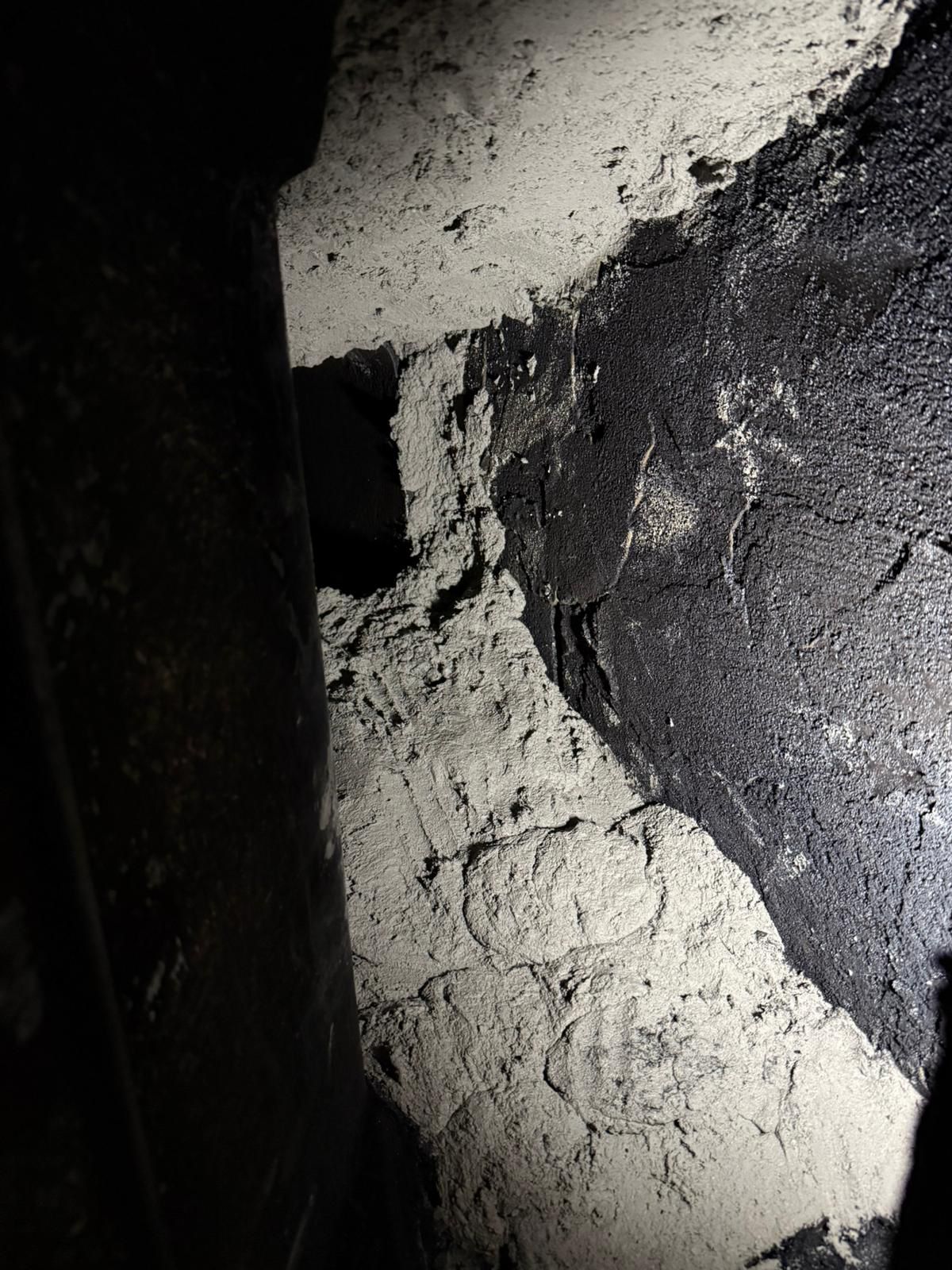
That last type is particularly stubborn. It does not simply brush away with a quick pass of a chimney brush.
You can inspect the accessible part of the chimney with a flashlight, but do not climb onto a roof or enter a chimney just to get a better look.
3. Have the Chimney Professionally Swept
For significant creosote buildup, professional chimney sweeping is the safest route.
A chimney professional has the right brushes, rods, inspection equipment, and experience to clean the flue without damaging it. They can also deal with buildup in places you may not be able to reach from the fireplace opening.
Trying to scrape away stubborn deposits with random household tools can damage the chimney liner or masonry, creating another problem on top of the original one.
Professional cleaning also gives you a chance to catch problems that are not obvious from inside the house. The sweep can look for damage, blockages, and other conditions that could make the chimney unsafe to use.
Honestly, this is one of those jobs where spending a little money on a professional can be much cheaper than dealing with a chimney fire later.
Also read: How Chimney Sweeps Prevent Fires
4. Have the Chimney Inspected After Cleaning
Getting the chimney clean is important, but cleaning is not the whole job.
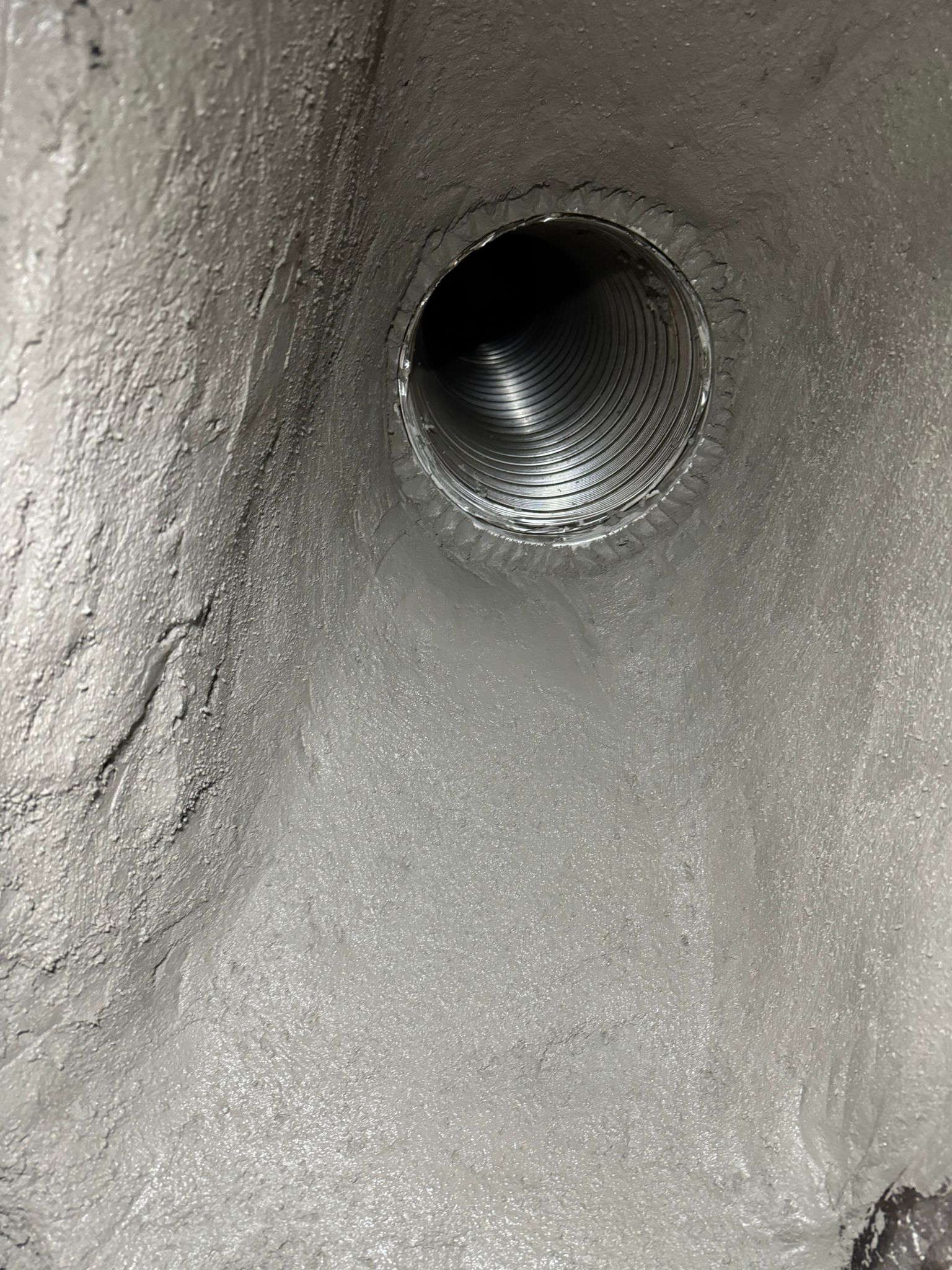
After the buildup has been removed, have the chimney inspected for damage. This is especially important if there was a large amount of creosote or you suspect the chimney may have experienced a fire.
An inspection can uncover problems such as:
- Cracks or damage in the chimney liner
- Blockages caused by debris, nests, or deteriorating materials
- Damage around the chimney or fireplace components
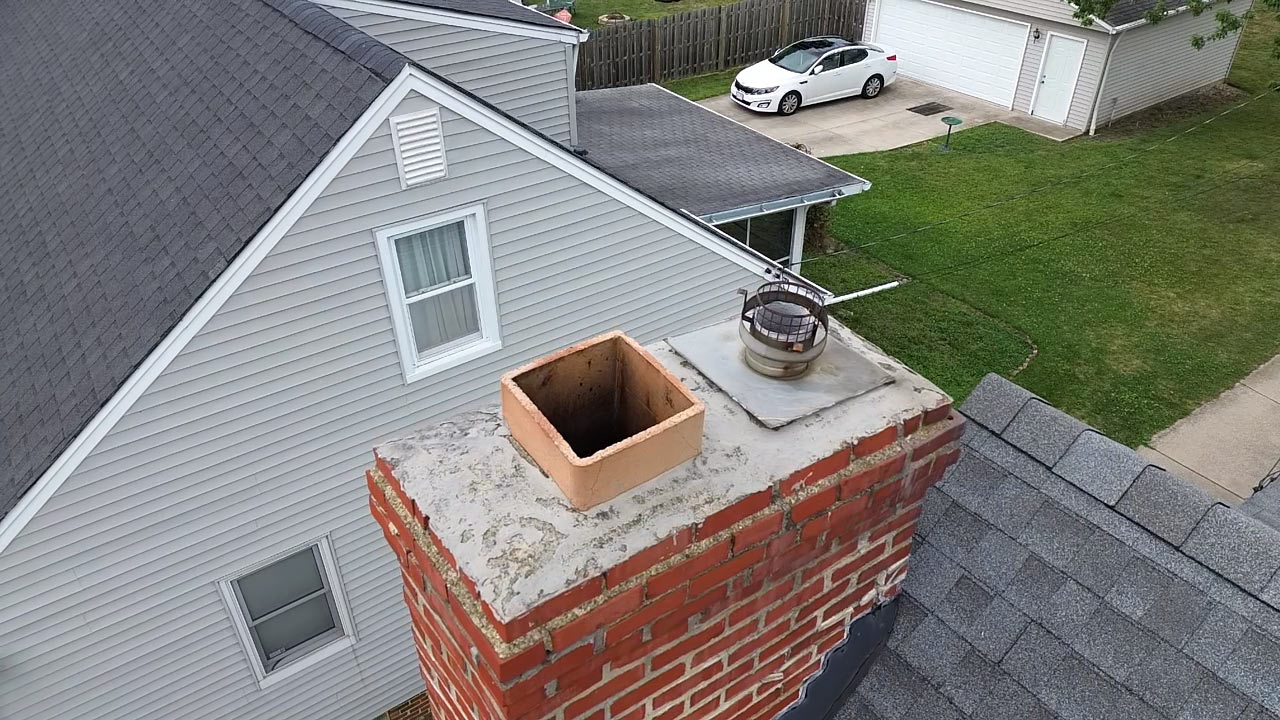
- Problems with the chimney cap or other exterior components
A damaged chimney can allow heat, smoke, or gases to reach areas of the home that should remain protected. Finding those issues early can save you from a much bigger repair later.
5. Start Preventing New Buildup
Once your chimney is clean and safe to use, keep creosote from coming right back.
The biggest factor is the kind of fire you are burning. Wet or unseasoned wood creates more smoke, and that smoke contributes to creosote formation as it cools inside the chimney.
Use properly seasoned firewood instead. Dry wood generally burns more efficiently and produces less smoke.
Also avoid letting a fire smolder for hours with very little airflow. A slow, smoky fire may seem efficient because the wood lasts longer, but it can create conditions that encourage creosote buildup.
You should also make sure your fireplace or wood stove has adequate ventilation.
6. Have the Chimney Checked at Least Annually
Regular chimney inspections are one of the easiest ways to stay ahead of creosote.
The U.S. Environmental Protection Agency recommends having wood-burning appliances, chimneys, and vents inspected annually and cleaned as needed. If you use your fireplace or wood stove frequently, regular professional attention becomes even more important.
Annual maintenance does not guarantee that you will never have creosote, but it makes it much easier to catch buildup before it becomes a serious hazard.
It is also smart to schedule an inspection after major chimney repairs, a suspected chimney fire, or changes to your heating appliance.
Can You Remove Creosote Yourself?
You can remove small amounts of loose creosote yourself, but DIY cleaning has limits.
The biggest issue is knowing what you are dealing with. Light, flaky deposits are much different from thick, hardened, or glazed creosote. Trying to scrape away heavy buildup yourself can leave deposits behind, damage components, or put you in a dangerous position if roof access is required.
If you have thick, shiny, sticky, or tar-like creosote, professional cleaning is the better choice. The same goes for a chimney that has not been inspected in years or one that has signs of damage.
Also read: Professional Chimney Sweeping vs DIY
How to Clean Small Deposits Yourself
|
1
|
Make sure everything is coldStart only when the fireplace or stove is completely cold. You will need an appropriately sized chimney brush, extension rods, gloves, eye protection, and a dust mask or respirator suitable for the debris. |
|
2
|
Close off the roomClose doors or openings around the fireplace to keep soot from spreading through the room, and protect the area around it from falling debris. |
|
3
|
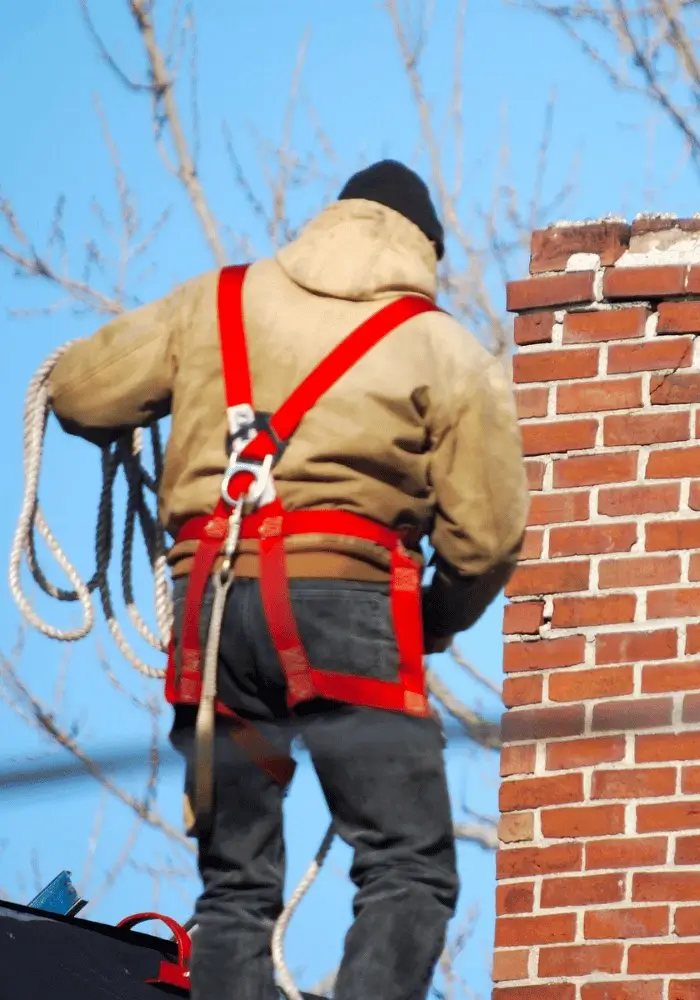
Access the chimney safelyAccess the chimney according to the equipment manufacturer’s instructions. Do not climb onto a roof if you are not comfortable with roof work. Falls are a serious risk, and chimney cleaning often means steep or slippery surfaces. |
|
4
|
Brush the flueRun the appropriately sized chimney brush through the flue, working carefully to loosen the deposits, and continue until the accessible buildup has been removed. |
|
5
|
Clean upClean up the fireplace and surrounding area once the work is finished, then have the flue checked before you use it again. |
Bottom Line
To get rid of creosote in a chimney, scrub away loose soot with a chimney brush, use chemical removers to break down sticky tar, or hire a professional to clear hardened glaze. The exact removal method depends entirely on the severity of the buildup.
After cleaning, have the chimney inspected for damage, then focus on prevention by burning dry, seasoned firewood and avoiding smoky, smoldering fires.
Not Sure What Is In Your Flue?
If the buildup looks thick, shiny or tar-like, do not light another fire until someone has looked at it. We sweep, inspect and repair chimneys across Beachwood, Cleveland and the surrounding suburbs.