Gas Insert or Gas Logs? How to Pick the Right One for a Cleveland Fireplace
Plenty of Cleveland homeowners want to stop hauling wood and still have a fire on a January night. Converting a wood-burning fireplace to gas comes down to two very different products: a gas log set that sits in your existing firebox, or a gas fireplace insert that is a sealed appliance in its own right. Here is how they differ in heat, venting and cost, what each asks of your chimney, and how to decide.
1. What a Gas Log Set Is
A gas log set is the closest thing to leaving your fireplace as it is. A burner sits in the firebox, ceramic logs are arranged over it, and a gas line is run to it. The flames play over the logs like a wood fire, minus the kindling, ash and smoke.
Because the logs live in your original open fireplace, the fireplace does the venting. That is why the Chimney Safety Institute of America (CSIA) states that the addition of gas logs to a wood burning fireplace requires that the fireplace is in good working order and able to burn wood. A cracked firebox or damaged flue liner is not a problem a log set solves. It is a problem it inherits.
Gas logs come in vented and vent-free versions. A vented set operates with the chimney open, like a wood fire. A vent-free set is a different category of appliance built to run without a flue, and whether one is permitted and appropriate for your home is a question for a qualified installer and your local building department.
2. What a Gas Fireplace Insert Is
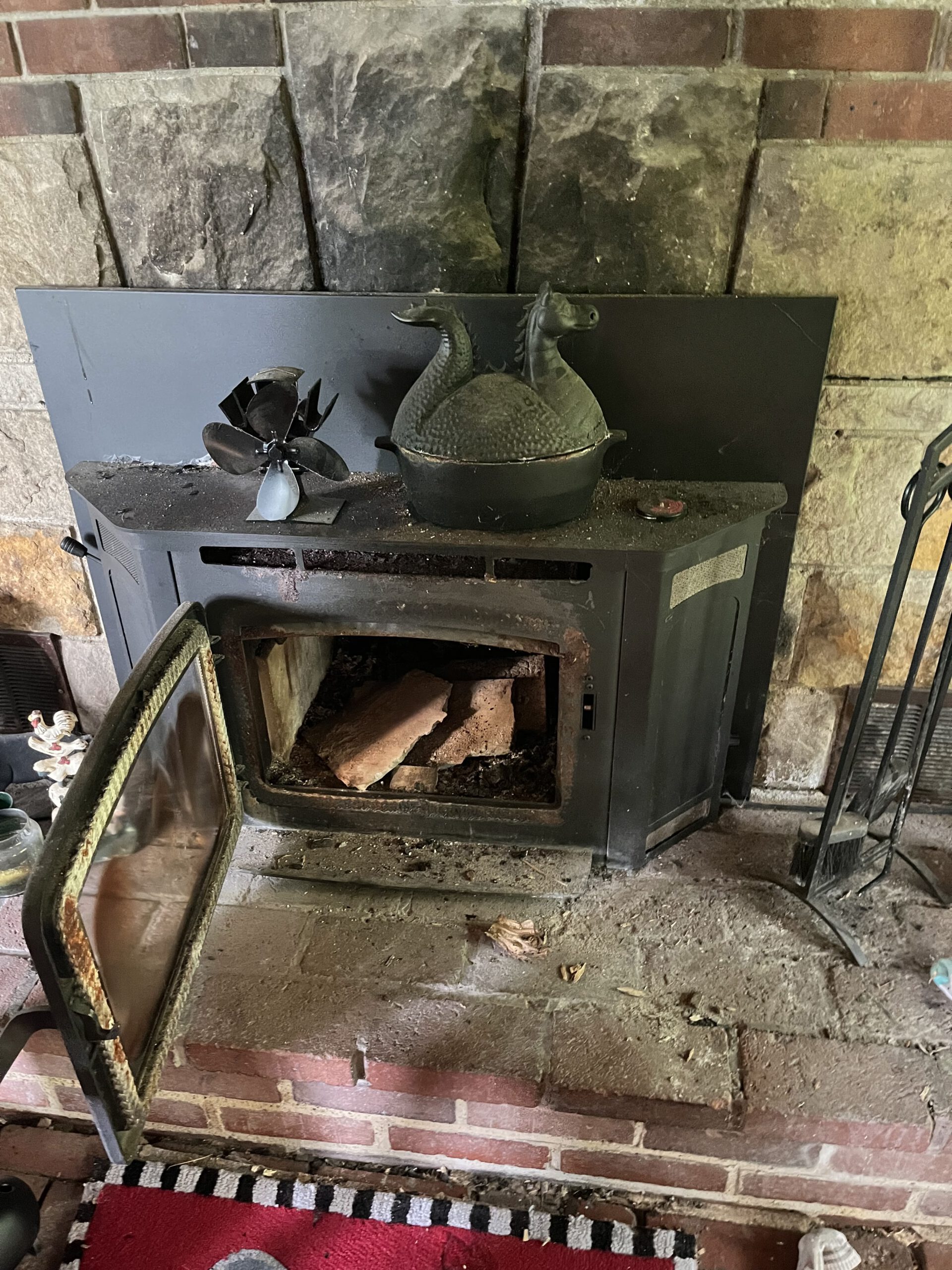
An insert is a complete appliance, not an accessory. CSIA describes fireplace inserts as a special type of stove specifically designed to fit into the firebox of an existing fireplace, which use the fireplace flue to vent the by-products of combustion. A gas insert is a sealed steel firebox with a glass front, its own burner and logs, and a surround that closes off the masonry opening.
The Hearth, Patio and Barbecue Association (HPBA) says inserts convert an existing fireplace into an efficient, heat-producing zone heater, and most have blowers to circulate the heat. An insert is a heater first and a fireplace second.
3. Heat Output: Where the Two Really Separate
This is the deciding factor for most Cleveland households. CSIA states directly that gas inserts have a greater heat output than conventional gas logs and are designed to be like a wood-burning insert. A sealed insert keeps the fire behind glass and uses a blower to push warmed air into the room, while an open fireplace with a log set sends much of its warmth up the chimney.
The honest framing for gas logs is that they are chosen for appearance and convenience. If the family room is the coldest room in the house and you want the fireplace to fix that, a log set will disappoint you. If you simply want flames without firewood, logs do that well.
4. Venting and What Each One Asks of Your Chimney
A showroom cannot tell you this part, because it depends on your house. CSIA is specific that homeowners should always have a certified chimney sweep determine if their chimney and venting system can handle the new hearth appliance or if modifications are necessary.
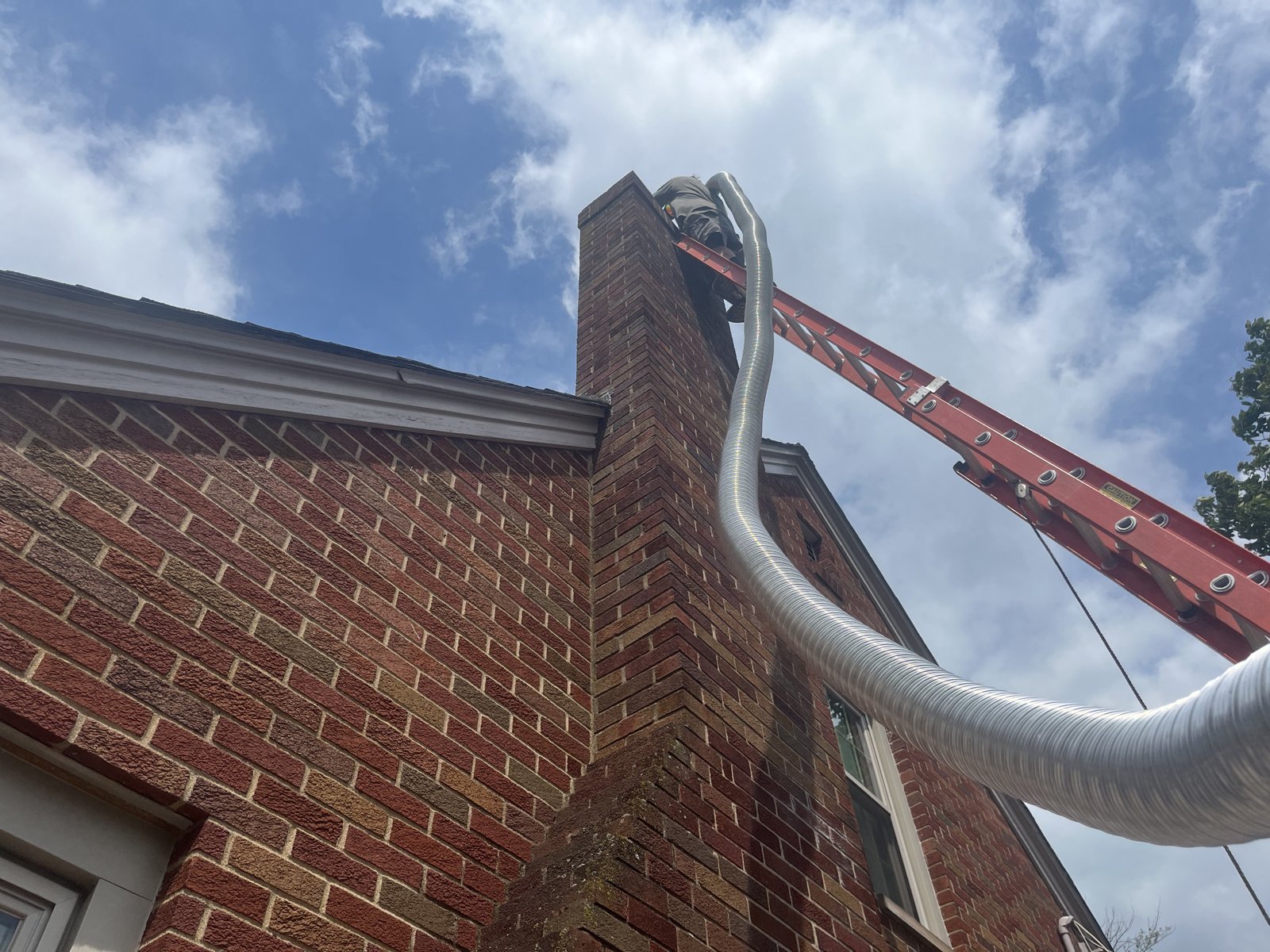
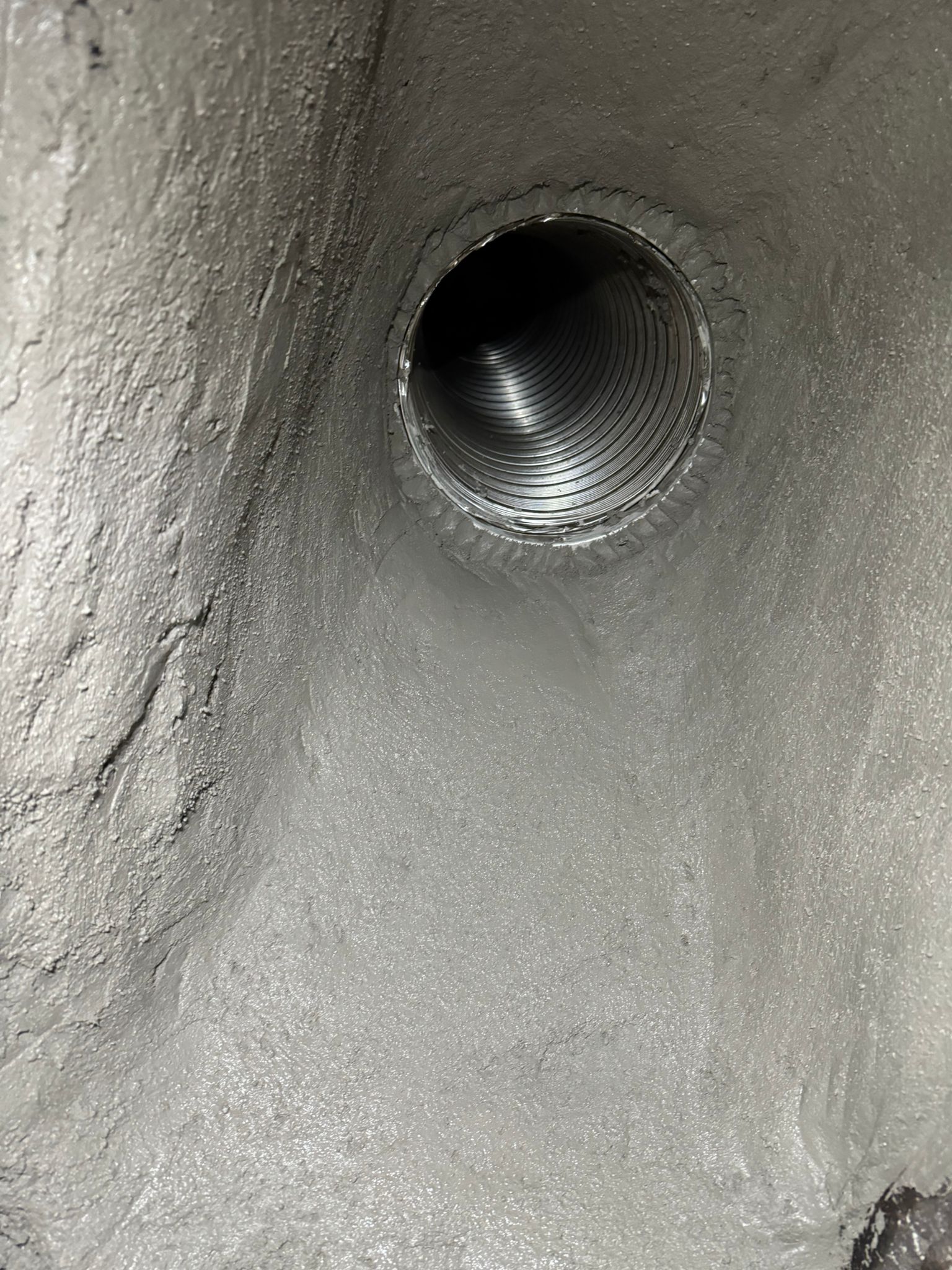
For an insert, that almost always means a liner. HPBA notes that inserts use the existing chimney, through a flue liner or other necessary modification, for venting. CSIA explains why: a masonry chimney without a liner will require one for any new appliance regardless of fuel, and when switching from wood to gas the flue diameter might be too large, so a new, smaller liner might be needed. See What Is a Chimney Liner and Why Every Fireplace Needs One for how liners work; our chimney liner installation service handles the sizing when an insert calls for one.
For gas logs, the chimney has to work as a wood-burning chimney already, since that is how the set vents. The stakes are not cosmetic: CSIA warns that if the chimney and venting system is not adequate or is in poor condition, installing a new hearth appliance can result in carbon monoxide seeping back into a home, chimney fires or poor performance of the appliance. That is not a reason to avoid gas. It is a reason to inspect the chimney before you buy, so the quote includes the liner or firebox work the appliance actually needs.
5. Cost and Installation
We do not quote prices in an article, because the number depends on your fireplace, gas line and chimney. HPBA’s summary is fair: adding a gas fireplace is an investment whose price varies greatly with design, and it can cost less if you already have a gas supply.
A log set is generally the lower-cost option because the fireplace does most of the work. An insert costs more because you are buying a complete appliance plus the liner, surround and blower wiring, and it is the one that reduces the heat you pay the furnace to make. Either way, a qualified gas and venting installer should evaluate your specific fireplace before recommending a product. Our gas fireplace installation and repair service starts with that inspection, and our gas unit installation and repair team handles the venting.
Which One Fits Your Cleveland Home
Put the two side by side and the choice usually becomes obvious.
| Gas log set | Gas fireplace insert | |
|---|---|---|
| What it is | Burner and log set in your open fireplace | Sealed gas appliance installed in the firebox |
| Main purpose | Appearance and convenience | Heating the room, with the look of a fire |
| Heat output | Lower (CSIA: inserts have greater heat output) | Higher, with a blower |
| Venting | The existing open fireplace and chimney, in working order | A liner in the chimney, sized to the appliance |
| Chimney work | Inspection, plus any repairs the fireplace needs | Inspection, liner installation or resizing, surround |
| Best for | A sound fireplace in a room the furnace already heats | A room you want the fireplace to actually warm |
Choose gas logs if your fireplace and chimney are in good shape, you love the open-hearth look, and heat is a bonus rather than the goal. Choose an insert if you want the fireplace to carry real heating load, or the chimney needs a liner anyway, since both can be done as one job. If you are not sure which camp you are in, the inspection answers it. Book a visit through our Cleveland gas fireplace installation page or call the number below.
What customers say
“So pleased with my interactions with this company and the end result. Both Dave and Zevi were very clear in explaining what work they suggested be done on my chimney after reviewing the issue. Very responsive when I followed up on the projected completion (waiting for full cover chimney cap). The work on the chimney looks great. Appreciate the final review of the project. Thanks again.”
Gas Insert vs Gas Logs: Common Questions
Can I put gas logs in any wood-burning fireplace?
Does a gas fireplace insert need a chimney liner?
Which gives more heat, a gas insert or gas logs?
Will a gas fireplace work if the power goes out?
Do I still need chimney inspections after converting to gas?
Thinking About Converting to Gas?
The right answer depends on your chimney as much as your taste. We inspect the firebox, flue and liner first, then tell you honestly whether a gas log set or a gas insert makes sense for your home. Gas fireplace installation and repair across Cleveland and the eastern suburbs.